CAFAMORE starts sampling campaign in Germany
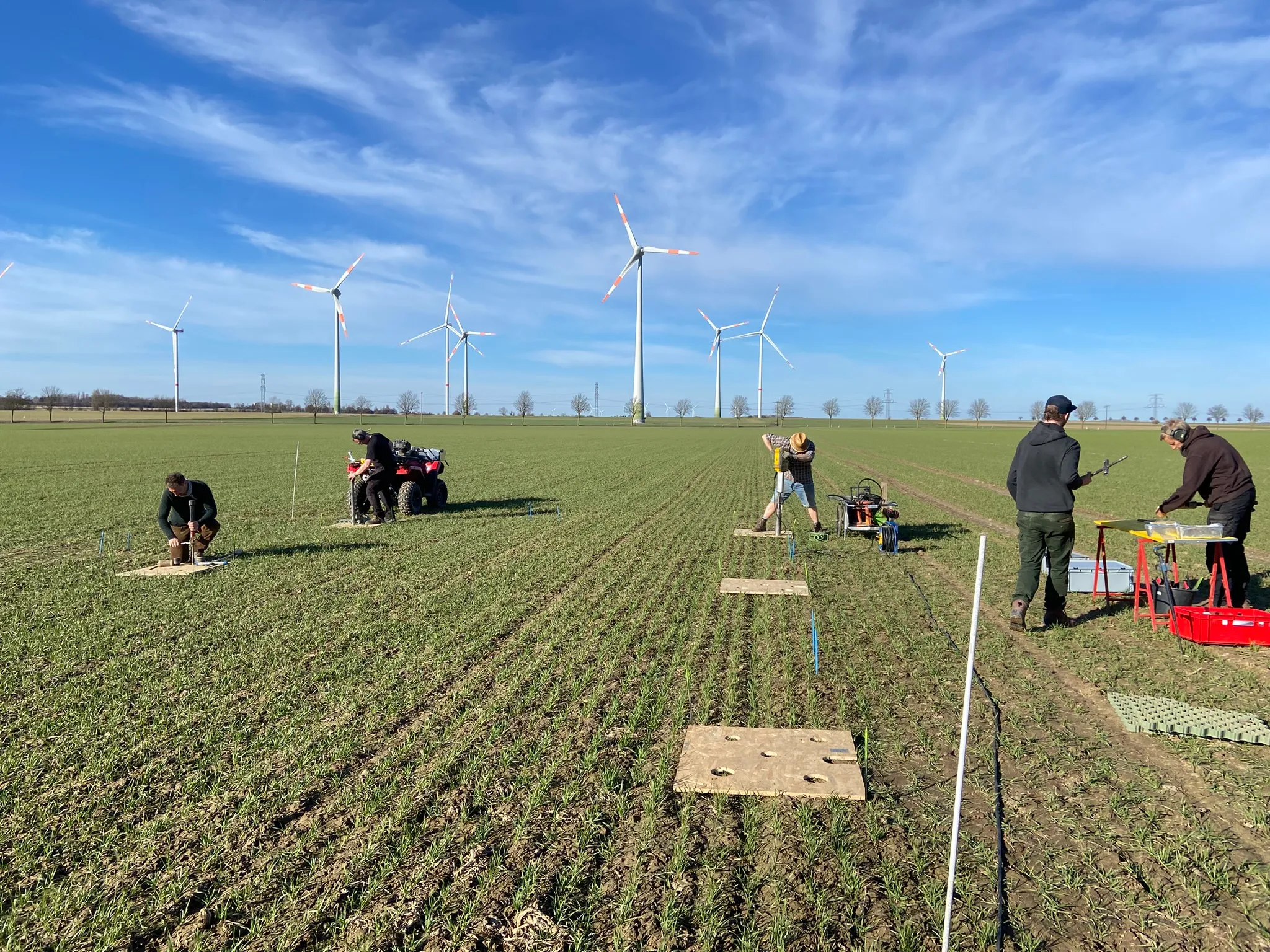
Nearly 1,000 soil samples collected across ten cropland sites in Northern Germany mark the successful completion of CAFAMORE’s first sampling campaign, conducted during a sunny week in early March. This work, the first step of a two-year process in cooperation with local farmers, was carried out as a collaborative effort involving project partners from Thünen Institute (Germany), Agricarbon (UK) and FiBL (Switzerland).
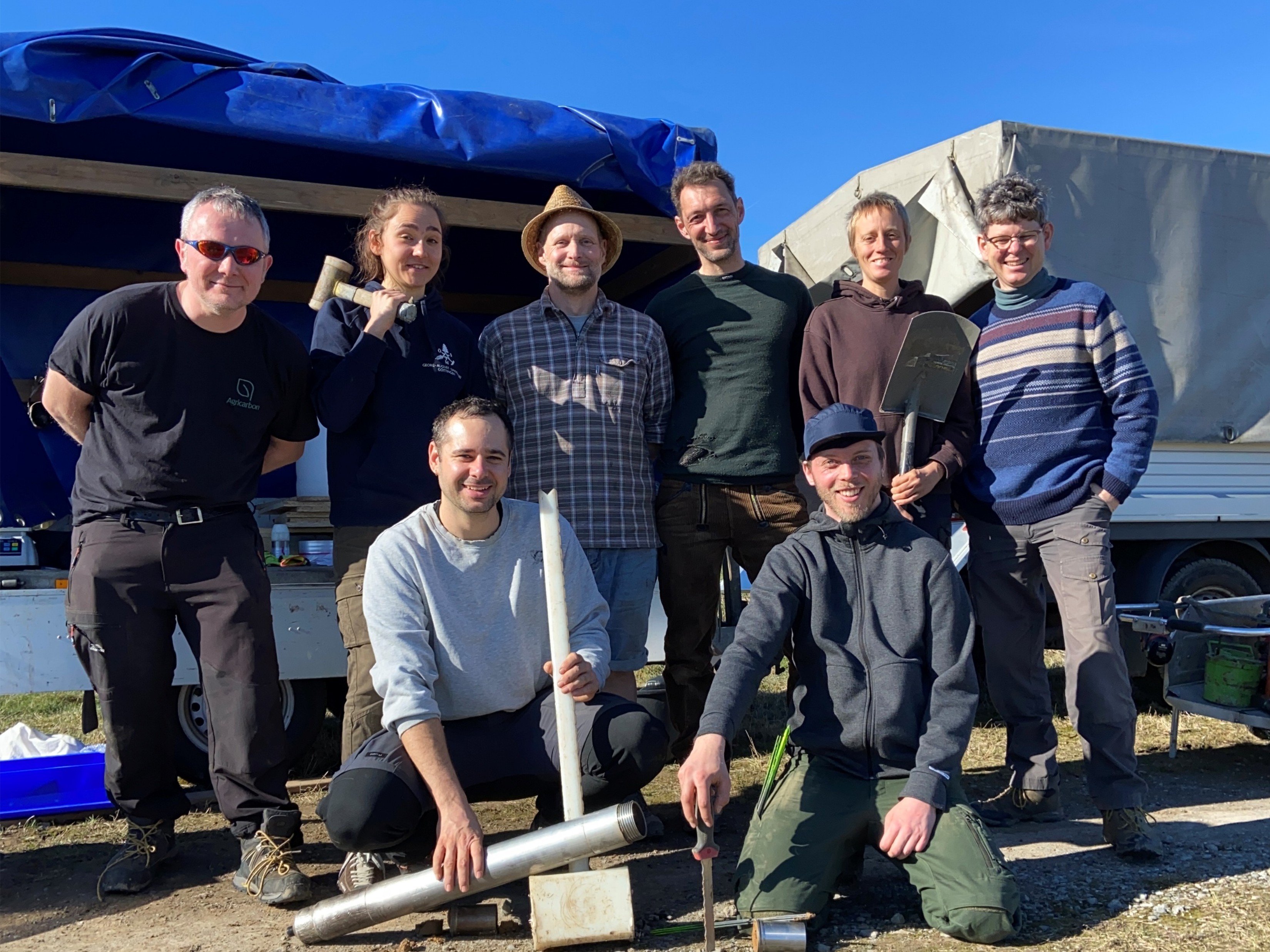
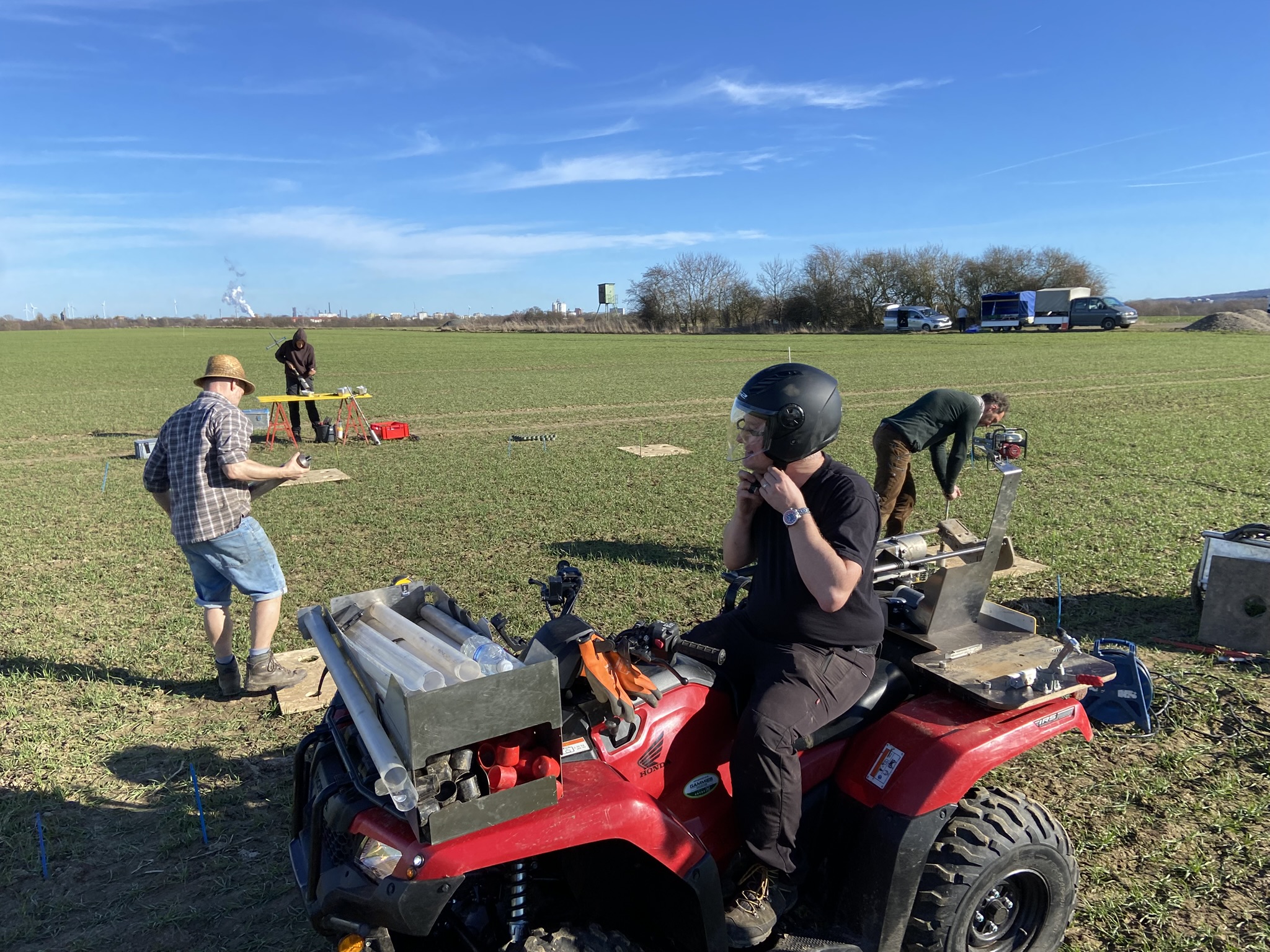
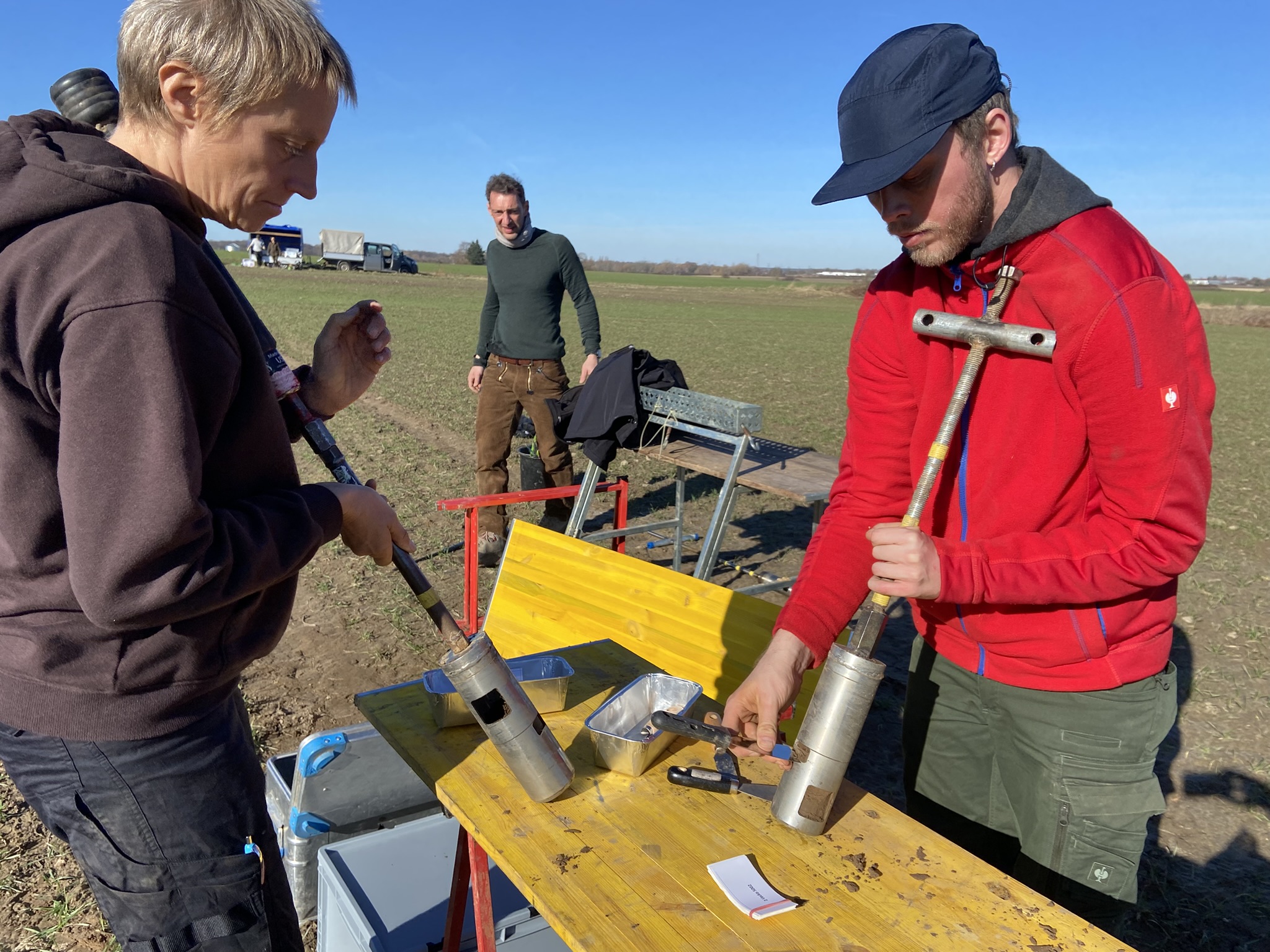
The campaign, which represents a major step forward for the project, is part of CAFAMORE’s efforts to reduce the measurement uncertainties that have long limited our understanding of soil carbon dynamics across Europe. Concretely, the team –led by Axel Don from Thünen Institute– aims to compare different sampling methods directly, which will later allow optimisation of the sampling techniques and development of methodologies to reduce these uncertainties.
To achieve this, the team has selected ten representative cropland fields in Germany that cover the full range of soil textures and management systems found in European agriculture, including conventional, reduced tillage and no till regimes. The sampling methodology has been optimised to ensure consistency and high data quality at every location –even in heavy, clay rich soils– allowing to launch the field campaigns with a robust procedure for determining soil organic matter and bulk density in 10 cm increments down to a depth of 50 cm.
In close cooperation with highly supportive farmers, soil samples will be taken every 4–6 weeks over a two year period, enabling CAFAMORE to capture seasonal dynamics, management induced changes and short term variability in soil organic carbon (SOC) stocks. This high temporal resolution will generate a unique dataset that can be used to examine interannual fluctuations of SOC driven by weather, soil management measures, crop rotation and fertiliser application, ultimately providing more reliable information for both scientific modelling and climate smart farming practices.