CAFAMORE explores what stakeholders need from carbon farming MRV tools
Reliable Monitoring, Reporting and Verification (MRV) is essential for ensuring that carbon farming activities deliver measurable and credible climate benefits. However, for MRV tools to be widely adopted, they also need to respond to the practical needs of the different actors involved in carbon farming.
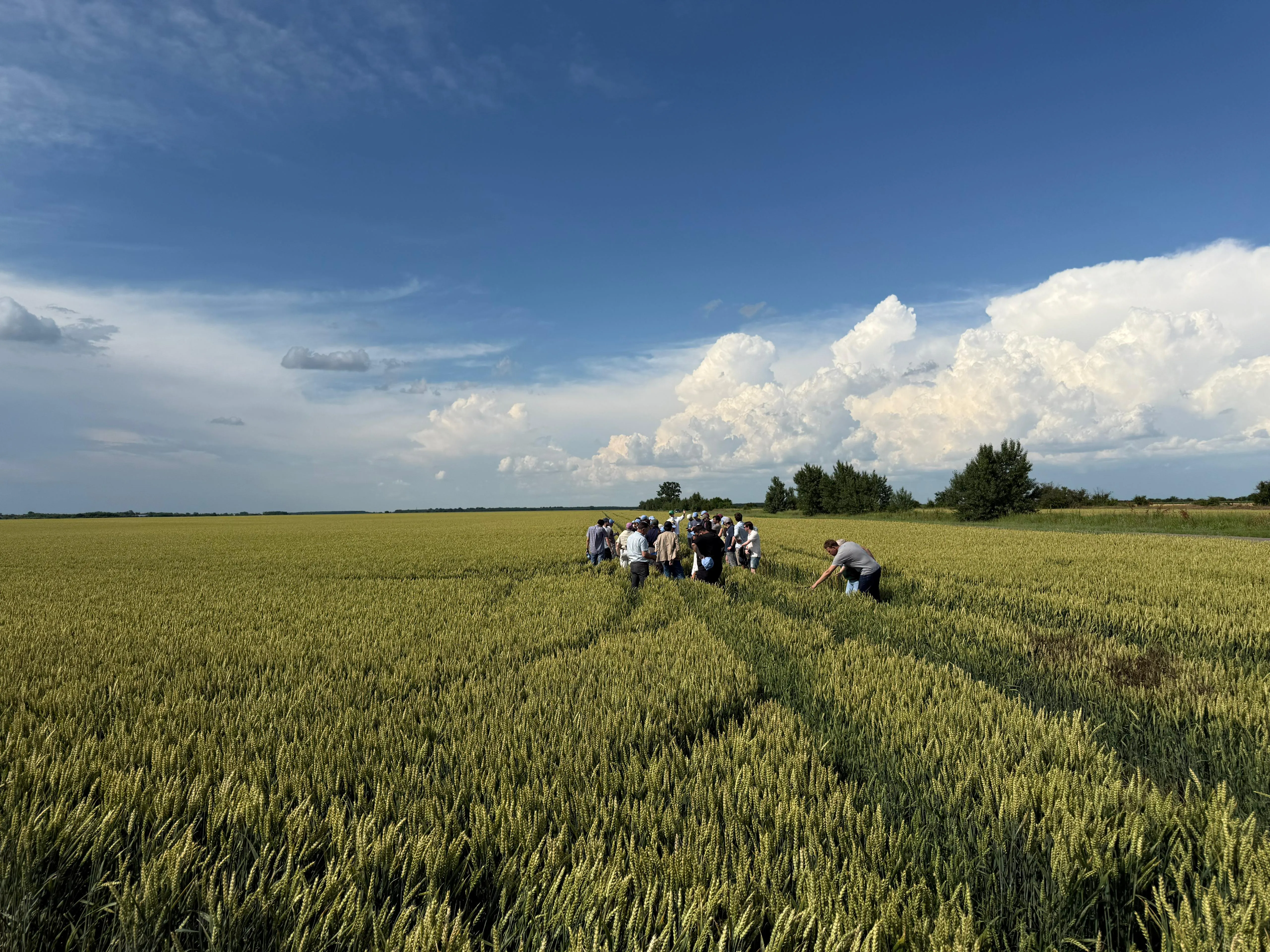
A new CAFAMORE report explores these needs and expectations based on input gathered from farmers and other carbon farming stakeholders across the project’s pilot countries. Coordinated by TerraNIS, national workshops, questionnaires and interviews examined current awareness and use of MRV tools, expected features, barriers to adoption and opportunities for improvement. The findings will help guide the development of CAFAMORE’s MRV tools throughout the project.
The results point to a carbon farming MRV market that is still developing. While interest in carbon farming and MRV was high among participants, 55% of respondents reported that they had never used an MRV tool. Reasons included limited perceived need or benefits, lack of awareness, time constraints and costs.
The analysis also reveals different priorities across the carbon farming value chain. Farmers primarily look for simple, affordable and well-supported tools that minimise administrative burden, while agrifood companies, consultancies, cooperatives and institutional stakeholders place greater emphasis on interoperability, standardisation, automation and credible carbon accounting. Across stakeholder groups, automated data collection, integration with existing farm management systems, compatibility with carbon standards and clear dashboards emerge as important expectations.
At the same time, participants identified significant barriers, including the time and complexity involved in collecting data, monitoring and verification costs, uncertainty around long-term carbon storage, and issues related to trust, transparency and interoperability. The findings highlight the need for simpler and more interoperable tools, greater automation, financial and technical support, and continued efforts to build knowledge and trust among users.
These insights will inform the next stages of CAFAMORE’s work as the project develops and tests MRV approaches across its European pilots, helping ensure that the resulting tools combine technical robustness with the usability and functionality expected by their future users. Find the full report here.